ETHAZI
What is ETHAZI?
ETHAZI is the Learning Model of VET in the Basque Country whose main objective is to train talented professionals so that they can better face the constantly evolving professional and social contexts.
To this end, FP Euskadi proposes to generate in the centres Collaborative Learning environments based on Challenges in which the students are protagonists of their own learning process. Through these scenarios, the students train and develop professional skills, (technical, personal and social).
The flexibility of the model allows other important aspects to be incorporated into the learning process, such as entrepreneurial culture, creative thinking, value-based training, the development of digital skills, advanced learning tools or the STEAM approach.

Features of the ETHAZI learning model
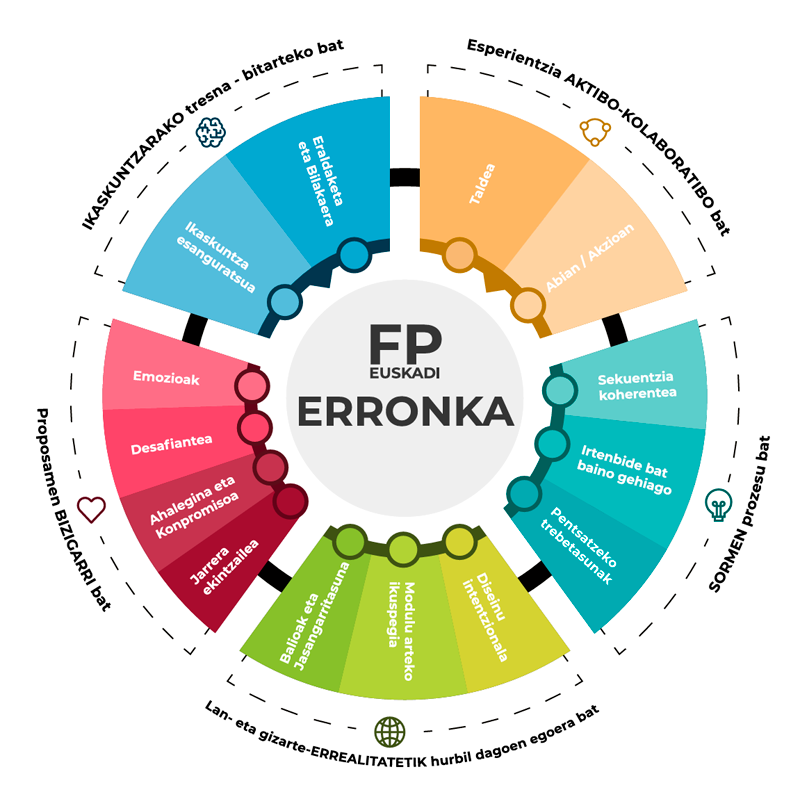
The following infographic contains the main elements of which the ETHAZI model is composed:
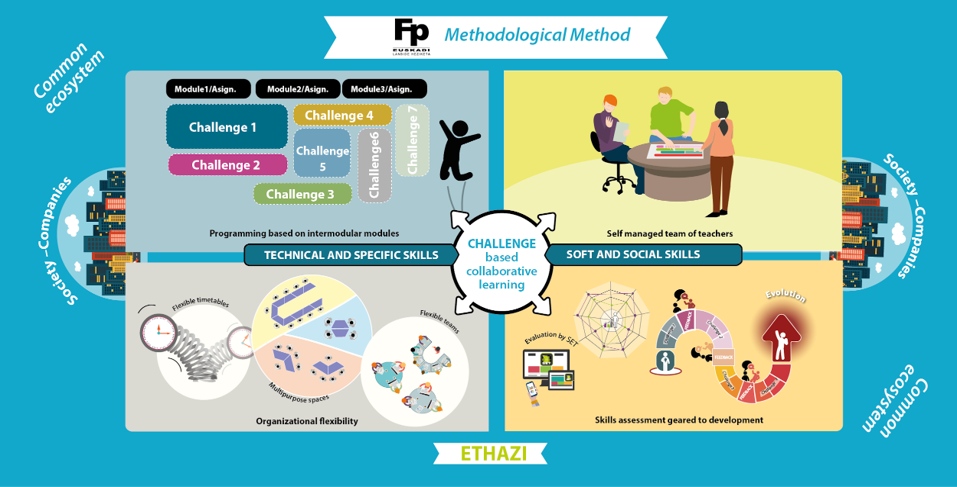
Collaborative Learning based on Challenges
It is the central element of the model on which the didactic proposal of the classroom is articulated; however, the rest of the elements are the pillars on which the Collaborative Learning based on Challenges is based. Without them, these learning contexts cannot be generated.
The challenges are problematic situations proposed to a class configured in teams, where the work process is always collaborative and allows students to live the situation as a challenge; from there, they have to generate the necessary knowledge that allows them to provide the best solutions.
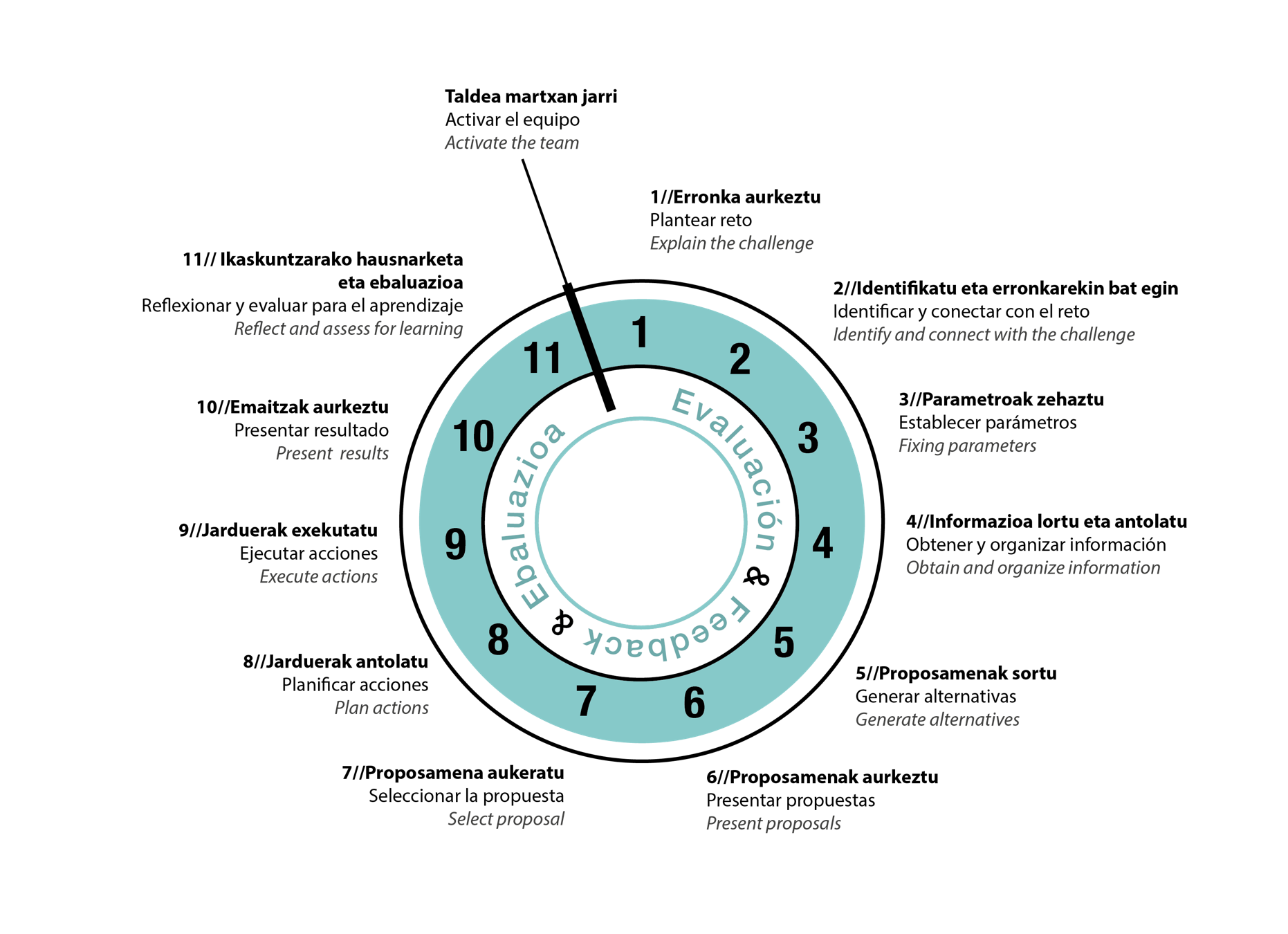
It is a structured process through which students take action, both individually and as a team, and evolve in the acquisition of the key competencies of the cycle.
Intermodularity
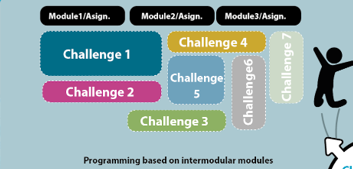
In order for the challenges to be as close as possible to the performance situations in the workplace, it is essential to design them from a multidisciplinary perspective. This requires a depth analysis of the professional skills of the cycle and the reality of the sector, as well as the social environment of the students.
Self-managed team of teachers
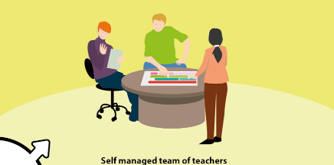
For the proposed learning process, it is essential to promote teamwork and shared responsibility of the teaching teams. These are groups formed by a small number of members who, as a group, assume responsibility for the entire training cycle. Through a high level of self-management, they can adapt their schedules, use of spaces, substitutions, etc. to the commitments that the development of student learning needs at any time.
Organisational flexibility
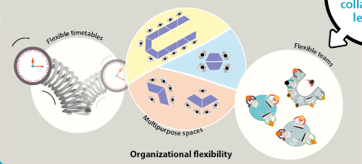
Generating a Collaborative Learning context based on Challenges requires organizational flexibility. There is a need to restructure resources and schedules, to design multipurpose spaces that respond to the needs of the learning process, and also to make their use more flexible. This adaptability is also transferred to the teaching teams and the teams formed by the students throughout the training cycle. All this adaptability creates a more dynamic and process-focused learning environment.
Evaluation by competences oriented to the evolution
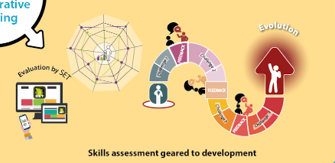
In the framework of the ETHAZI learning model, formative evaluation is conceived as an essential and integrated tool in the learning process itself. Its main purpose is to accompany the students in their competence evolution.
The model attaches special importance to reflection, both individual and team, and to formative feedback throughout the entire process. The objective is for students to become aware of their evolution, promoting self-reflection and giving them the opportunity to make decisions to improve their performance, in a process that goes beyond qualifying, and promoting continuous improvement and meaningful learning in real and collaborative contexts.
ETHAZI in figures
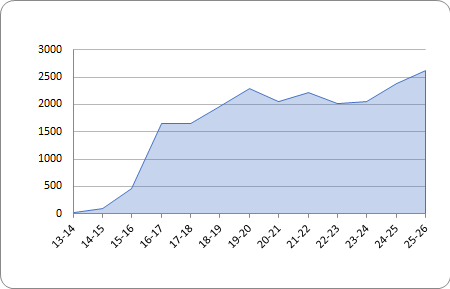
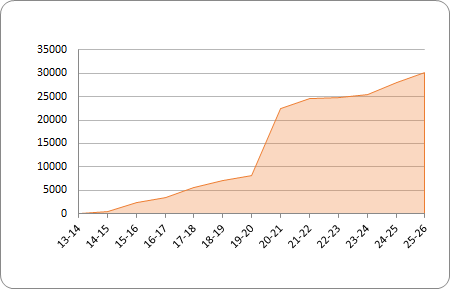
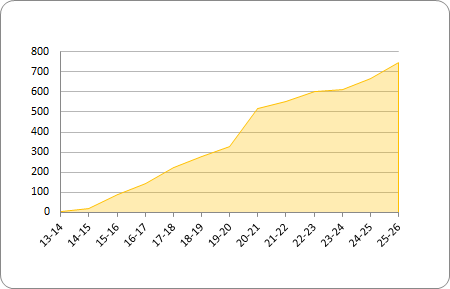
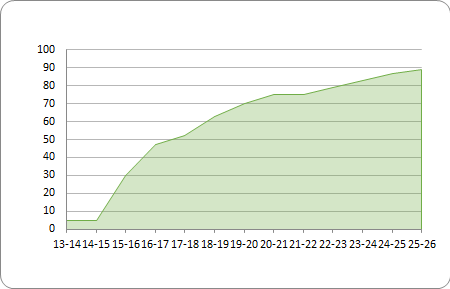
The first pilot experience of ETHAZI, in the 2013/2014 academic year, involved 5 centers of the Euskadi FP Network, both public and concerted: 100 students and 25 teachers of 5 cycles of different professional families.
Currently, we are in the consolidation phase of the ETHAZI model in the Euskadi FP system, which includes both public and concerted centers.
745
89
2620
30228